The Port Beach Polar Bears have a long and evolving history, shaped by decades of ocean swimmers at North Fremantle and a strong sense of camaraderie.
Regular swimming groups were gathering at Port Beach as early as the 1960s, forming an informal but consistent community of ocean swimmers.
Over time, the identity of the group developed, with the name “Port Beach Polar Bears” appearing in a newspaper article in 1985.
A key milestone occurred in 1992, when the group was granted use of the annexe at the Fremantle Surf Life Saving Club. From this point, the club began operating with greater structure, supported by a committee responsible for coordinating activities and maintaining the facility.

The club was formally established in 1994, marked by the election of its first president and the commencement of a structured governance framework. This formalisation ensured continuity, accountability, and long-term stewardship of the club.
In 2019, the Port Beach Polar Bears were formally incorporated, further strengthening the club’s governance and ensuring its long-term sustainability.
Today, the Port Beach Polar Bears continue this legacy - combining a rich informal history, strong camaraderie, and a well-established organisational foundation.
Surf lifesaving activity along the Fremantle coastline has a long and well-documented history, beginning well before the formation of the Port Beach Polar Bears.
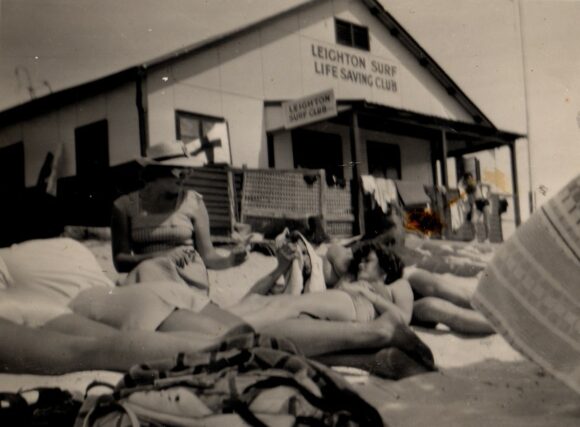
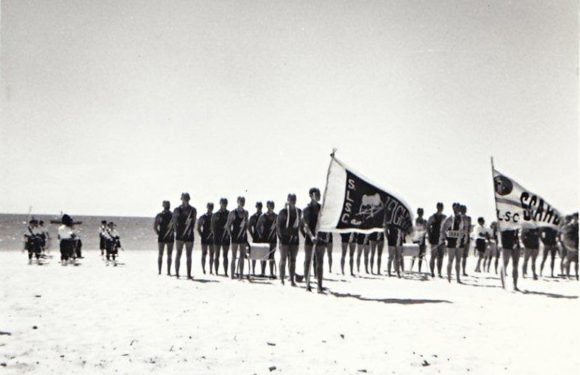
In 1931, a proposal was put forward to establish a surf club at North Fremantle operating on Leighton Beach. This led to the formation of the Leighton Surf Life Saving Club (SLSC) in 1932, although it ceased activities shortly thereafter in early 1933.
Attempts to revive the club continued, and by February 1935, the Leighton SLSC was successfully reformed under President Gordon Dedman, with formal affiliation to the State Centre occurring in March of that year.
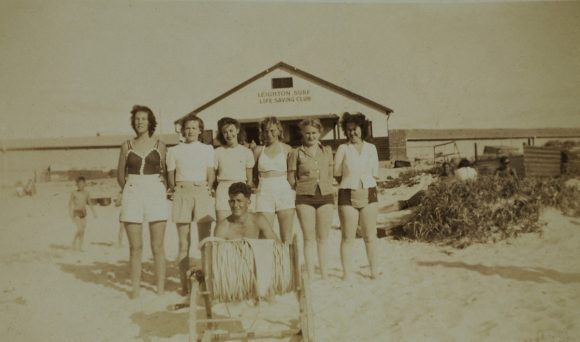
By the late 1930s, the club had established itself as one of the leading surf clubs on the coast, with strong membership and competitive success.
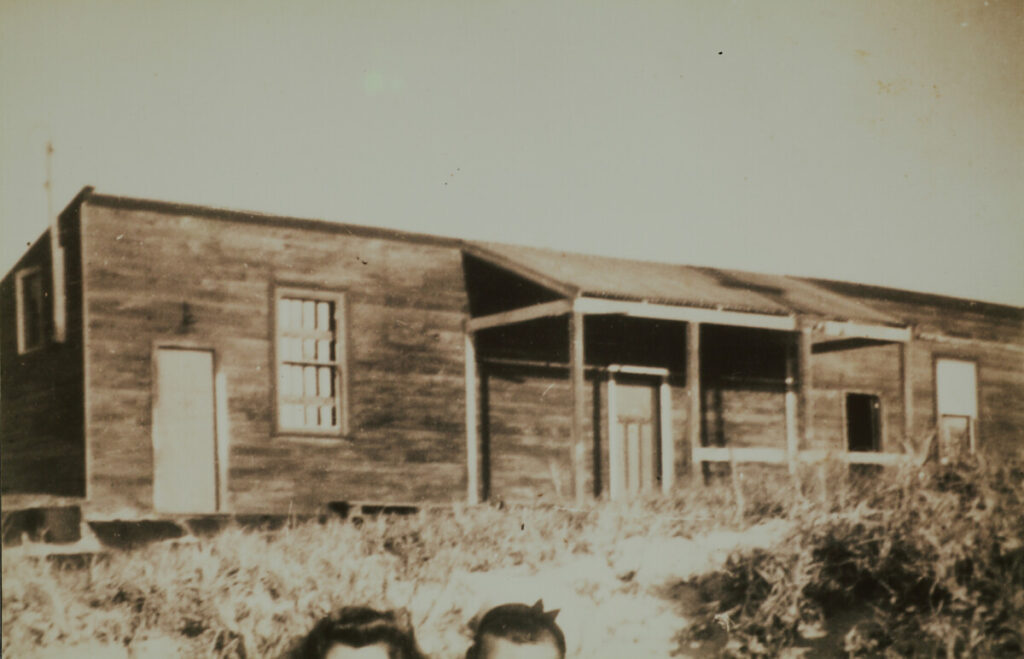
The first permanent clubrooms were constructed in December 1937, consisting of a modest structure located in the sand dunes near the railway yards.
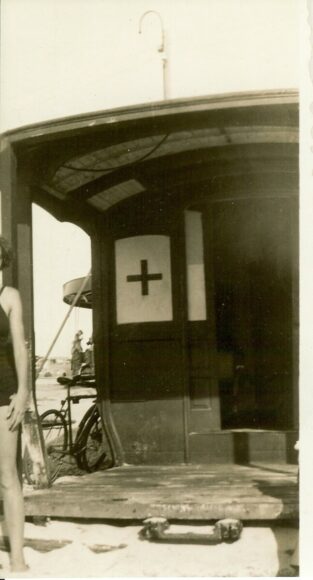
The club continued to expand, with additional facilities added in 1938–1939, including dressing rooms, an ambulance room, and equipment storage. A converted tram was later used as an ambulance room, reflecting the resourcefulness of the time.
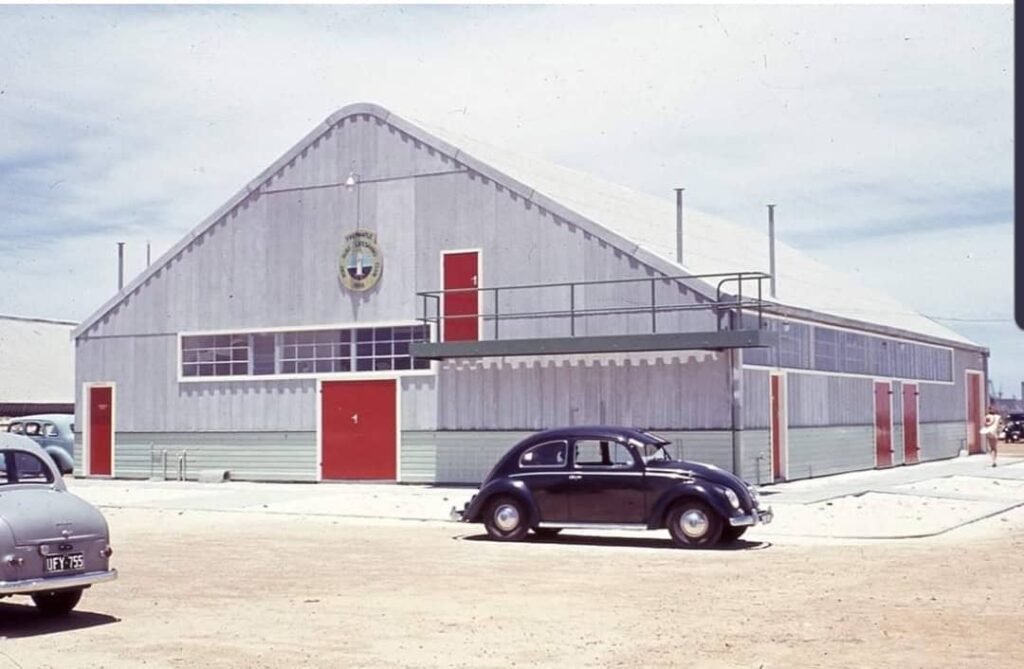
During the 1940s, the club strengthened its position through both competition success and infrastructure development, including new clubrooms established in 1946 using repurposed war-surplus buildings.
By the 1950s, Leighton SLSC had become a significant presence on the coast. However, external pressures such as harbour expansion and railway developments created uncertainty around its long-term location and facilities.
At the same time, increasing public access to nearby beaches began to shift activity south toward what is now Port Beach.
The first permanent clubrooms were constructed in December 1937, consisting of a modest structure located in the sand dunes near the railway yards.
The club continued to expand, with additional facilities added in 1938–1939, including dressing rooms, an ambulance room, and equipment storage. A converted tram was later used as an ambulance room, reflecting the resourcefulness of the time.
During the 1940s, the club strengthened its position through both competition success and infrastructure development, including new clubrooms established in 1946 using repurposed war-surplus buildings.
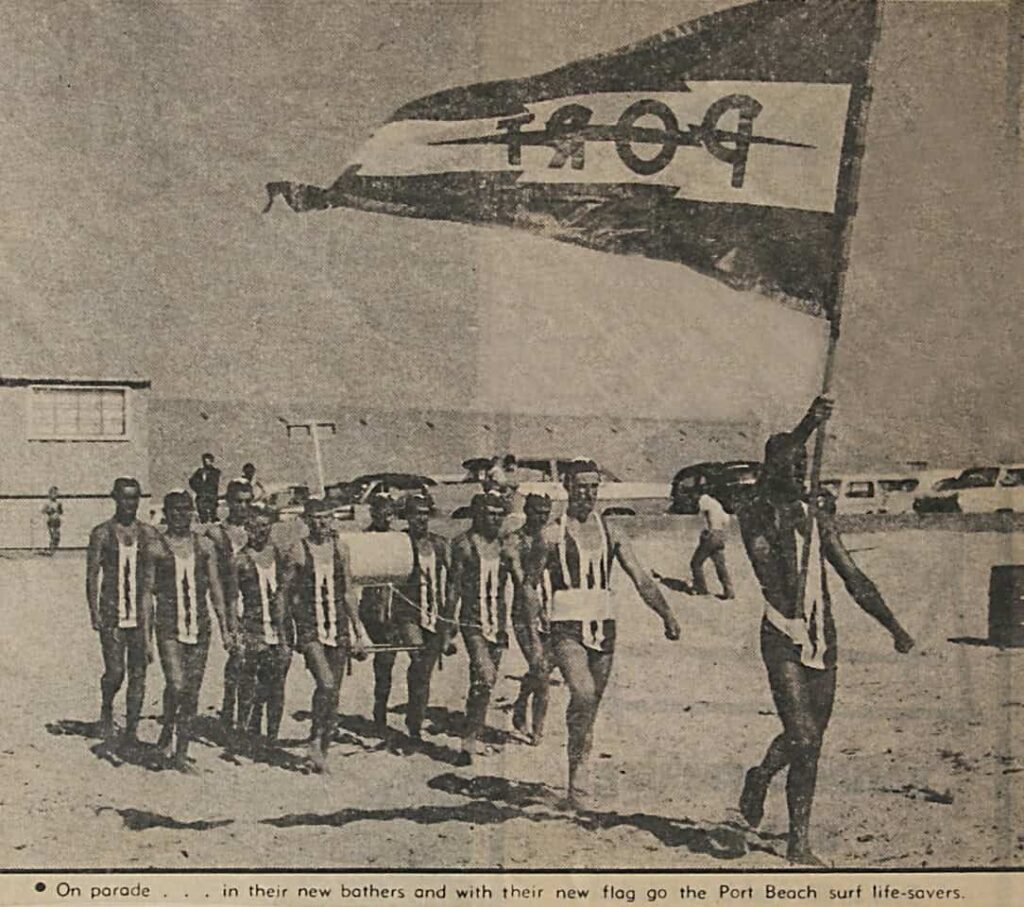
Both Leighton and Port clubs experienced strong growth through the 1960s, with increased membership, improved facilities, and competitive success across multiple disciplines.
In 1976, a major milestone occurred with the amalgamation of the Leighton and Port Surf Life Saving Clubs, forming the Fremantle Surf Life Saving Club. This consolidation allowed for a unified approach to patrols, resources, and long-term development across the coastline.
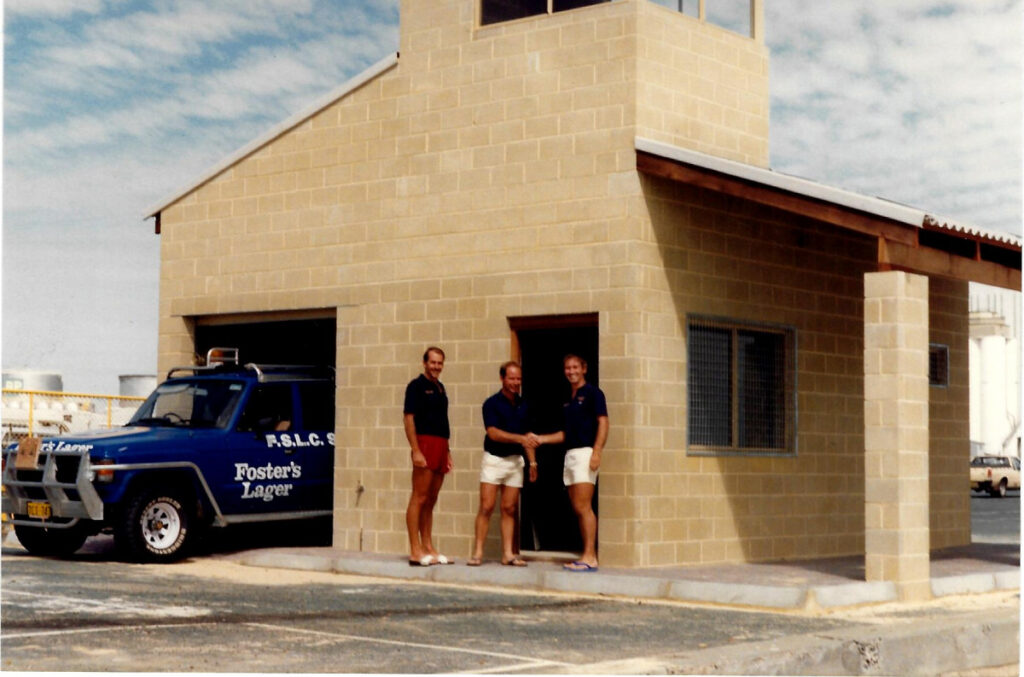
The Port Beach Annexe, constructed in 1986–1987, established a permanent operational presence at Port Beach, including first aid facilities, storage and an observation tower. The project was funded through a combination of an America’s Cup grant, Surf Life Saving WA funding and significant financial contributions from Fremantle Surf Life Saving Club members, reflecting the Club’s longstanding investment in the site.
From this point forward, Fremantle SLSC continued to evolve, achieving success in competition, expanding membership (including increased female participation), and developing modern club facilities through the 1990s and 2000s.
This surf lifesaving history provides the physical and organisational foundation that enabled the Port Beach Polar Bears to emerge and operate – particularly through access to facilities such as the Port Beach Annexe (granted to the group in 1992) and the long-standing culture of ocean swimming and coastal stewardship in the area.